Baby & Kids 101: The 28 Swaps That Matter, in Priority Order
Babies and toddlers absorb microplastics and endocrine disruptors at much higher rates than adults relative to body weight, and their developing systems are more sensitive to them. This guide is the calmer, evidence-based version: what genuinely matters, what doesn't, and where to start.
The 28 baby and kid swaps, in priority order
Ranked by how much exposure each one actually cuts, not by how easy it is. Bottles first, because heated feeding gear is the single largest dose measured anywhere. Then the crib mattress, the longest contact of the day, then pumping, formula and baby food, then everything else. Each one has vetted picks and the $0 way to do it.
Affiliate disclosure: we earn a small commission on the product links below, at no cost to you. We never accept paid placements.
Move bottles and cups to glass or steel
Heated formula in a plastic bottle is one of the highest microplastic doses measured anywhere, up to 16 million particles per liter. Free version: Never heat formula in the bottle. Mix in glass, cool it, then transfer. That removes most of it today.
Read the full guide →
Evenflo Classic Glass Bottles (8oz, 6 pack)
Best value glass bottle
View →
Lifefactory Glass Bottle with Silicone Sleeve (9oz)
Best glass bottle with etched markings
View →
Pura Kiki Stainless Steel, Non Insulated (9oz)
Best grow with baby system
View →
REDECKER Bottle Brush Cleaner
Best plastic free bottle brush
View →Change the crib mattress
Fourteen hours a day, face down, on the single largest piece of foam and vinyl in the house. Most crib mattresses are polyurethane foam under a PVC or TPU waterproof cover, warmed all night by the baby lying on it. Free version: Air a new mattress out of its wrapping for a week with the window open before it is slept on.
Read the full guide →


Pump into glass
Warm milk into plastic flanges and bottles, several times a day. Milk is high fat, which pulls more out of plastic. A closed system is the one thing the pump itself decides: it keeps milk out of the tubing and the motor, which you cannot clean or replace. For the freezer, glass is the cleanest but costs more and takes space; reusable silicone bags are the practical pick, and the cold slows what silicone gives off. Free version: Transfer to glass immediately after pumping instead of storing in the plastic bottle.
Read the full guide →
Matyz Glass Bottles (6 pack)
Best glass for Spectra, converter for Medela
View →
Evenflo Classic Glass Bottles (6 pack)
Best glass collection bottles, standard neck
View →
Haakaa Silicone Manual Pump
Best pump with no plastic parts
View →
Haakaa Petal Milk Collector (2 pack)
Best let down catcher
View →
Nuliie Silicone Milk Storage Bags (7 pack)
Best for the freezer, reusable and flat
View →
Lifefactory Glass Bottle with Silicone Sleeve
Best protected glass for the fridge
View →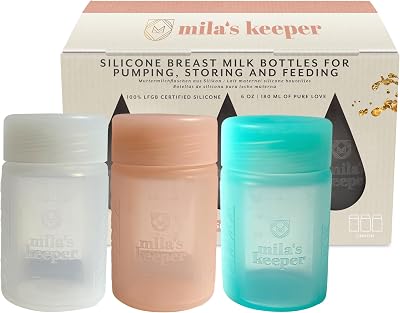
Mila's Keeper Silicone Storage Containers
Best breast milk storage
View →
Spectra S2 Plus Closed System Pump
Best closed system, milk never reaches the tubing
View →Give vitamin D drops from a glass bottle
Nearly every breastfed newborn is told to take this daily for a year, and nine of twelve children's vitamins sent to an independent lab tested positive for lead. Both of the two that came back non detect were liquid drops, and the highest results were chewables and gummies. D3 has to ride in an oil, and oil is the solvent that pulls additives out of plastic, so the bottle matters. Free version: None, this is a supplement a doctor asked you to give. Choose the dropper that cannot overdose: one drop, one dose, rather than a squeeze bottle or a graduated syringe holding several days at once.
Read the full guide →
Baby Ddrops Organic 400 IU
Top pick. Two ingredients, and the only published non detect on all four metals
View →
Carlson Baby's Super Daily D3
Best value, a year of drops in one bottle
View →
Wellements Organic Vitamin D Drops
Best organic olive oil base
View →
Ddrops Kids Booster 600 IU
Best from the first birthday, 600 IU per drop
View →Choose a cleaner formula
The entire diet for months, and independent testing keeps finding real differences between brands. Mixing water is half the feed: lead comes from the plumbing rather than the utility, so it is invisible on a water quality report, and boiling concentrates it instead of removing it. Free version: Run the tap cold for two minutes before you draw mixing water, and never mix with hot tap water. Both are free and both cut lead.
Read the full guide →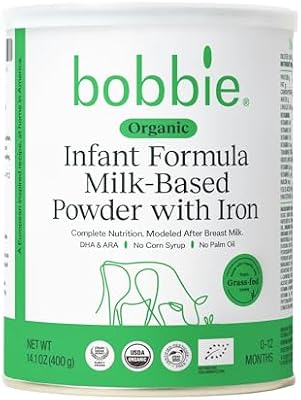
Bobbie Organic Original Infant Formula
Best cleared all four checks
View →
Bobbie Organic Gentle Infant Formula
Best for sensitive digestion
View →
Bobbie Organic Whole Milk Infant Formula
Best for twelve months and up
View →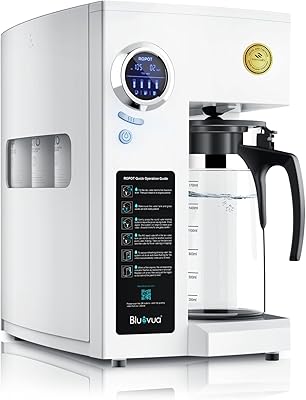
Bluevua RO100ROPOT Countertop RO
Filtered mixing water, no plumbing work
View →Change how you buy baby food
Pouches are plastic against warm puree, and commercial baby food has repeatedly tested high for heavy metals. Organic cannot answer that part: arsenic, lead and cadmium come out of the soil, so what matters is which foods you buy, not which label. Rice takes up more arsenic than any other grain, and rice cereal and rice puffs concentrate it. Free version: Mash whatever you are eating, and feed oats, barley or quinoa instead of rice cereal. If you do serve rice, rinse it and boil it in plenty of water, then drain, which removes a good share of the arsenic.
Read the full guide →
Make and store baby food in glass
Steaming and blending in a plastic chamber puts heat, fat, and plastic together at once. Free version: A fork and a pot. Purees do not need equipment.
Read the full guide →
Sage Spoonfuls Stainless Steel Steamer Basket
Best minimal BLW option
View →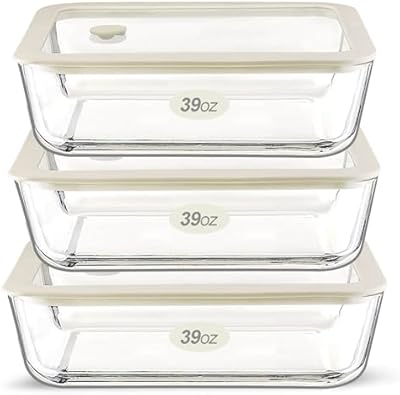
Urban Green Glass Containers with Glass Lids (3 Pack)
Best glass storage for purees, glass lid
View →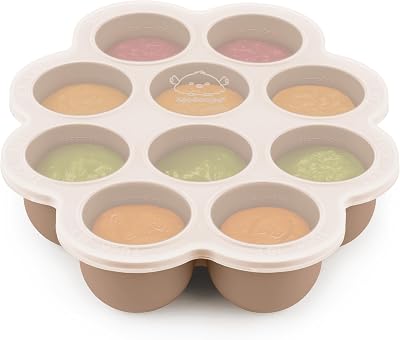
KeaBabies Silicone Freezer Tray
Best for freezing single portions
View →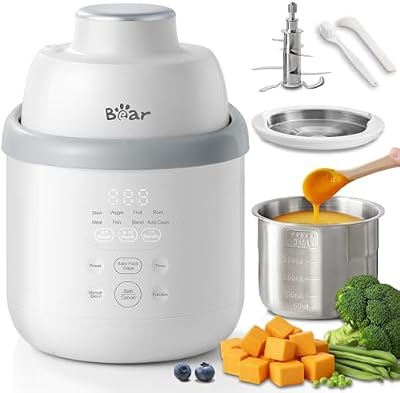
Bear NutriEase AllStage Baby Food Maker
Best all in one with stainless steel pathway
View →Change baby wash and shampoo
Infant skin is about 30 percent thinner than yours and spends its first weeks settling from neutral to a mildly acidic pH. Fragrance is the main issue, then ethoxylated ingredients and synthetic polymers. Free version: Three baths a week, water for most of it. Recommended anyway, and free.
Read the full guide →

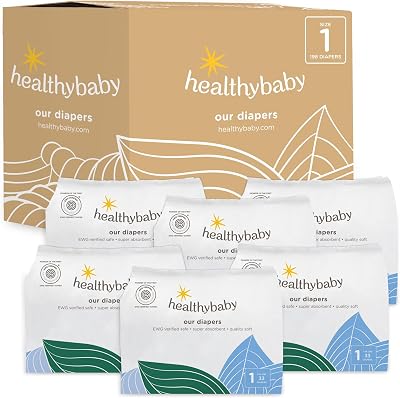
Change your diaper brand
Against the most permeable skin on the body, 24 hours a day, for roughly three years. Several major brands have tested positive for PFAS. Free version: Change more frequently. Contact time is the variable you control for free.
Read the full guide →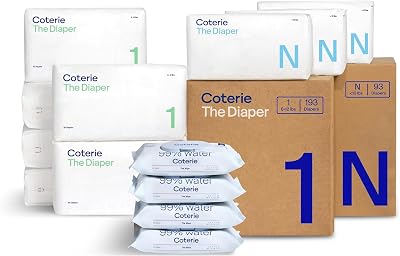
Change your wipes
Most wipes are polyester fabric soaked in preservative solution, used dozens of times a day on broken skin. Free version: Cotton washcloths and warm water. Cheaper over three years than any wipe.
Read the full guide →


Change your diaper cream
Applied thickly to already irritated skin, which absorbs far more than intact skin does. Free version: Plain zinc oxide or lanolin. The simplest formulas are usually the cheapest ones.
Read the full guide →
Motherlove Diaper Balm
Best for cloth diapers. Buy the 2 oz glass jar; the 4 oz may come in plastic
View →
Sages of the Ages Baby Tallow Balm
Zinc for an active rash. Not lab tested, and every zinc cream tested so far had some lead
View →
Primally Pure Baby Balm
Best tallow balm, fragrance free, glass jar
View →Set up the nursery without offgassing
New furniture, foam, and paint offgas hardest in the first months, straight into a small room where an infant sleeps 16 hours a day. Free version: Assemble and air out everything for two to four weeks before the baby uses the room. Free and genuinely effective.
Read the full guide →


Choose a flame retardant free car seat
Enclosed, heated by sun, and federally required to meet flammability standards that many brands still meet chemically. Free version: Park in the shade, and on hot drives open the windows instead of recirculating the cabin air.
No seat passes every check, so all three below are labelled compromises: each states that the fabric and foam carry no added flame retardants, and none holds a certificate testing the finished fabric. Fit and correct installation still matter more than fabric.
Read the full guide →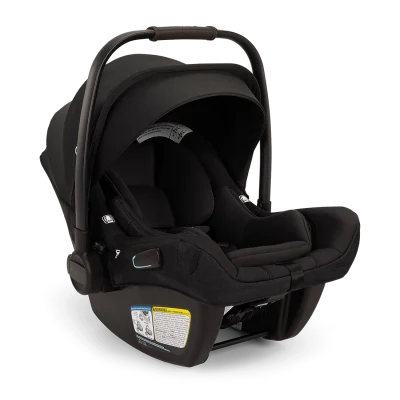
Nuna PIPA aire rx
The only fabric independently PFAS tested, clean in 2022. Careful: no finished fabric certificate
View →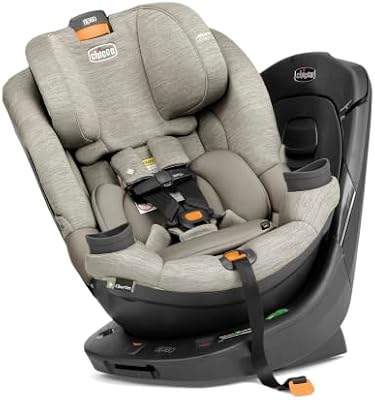
Chicco Fit360 ClearTex
Rotates, and the easiest to install correctly. Careful: polyester fabric, no PFAS test
View →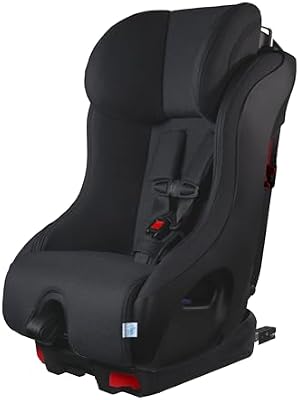
Clek Foonf, Mammoth
The only fabric with no polyester in it. Careful: Clek does not say which TENCEL, and no certificate
View →Move kids clothing to natural fiber
Polyester against skin all day. Sleepwear must be either flame resistant or snug fitting, so a loose pair is the treated one and snug cotton is not treated at all. Free version: Wash everything new before first wear, and buy secondhand cotton. Used natural fiber beats new synthetic.
Read the full guide →


Choose a wood or steel high chair
A plastic tray holding hot food, every meal, for two years. Free version: Put a plate on the tray instead of food directly on it.
Read the full guide →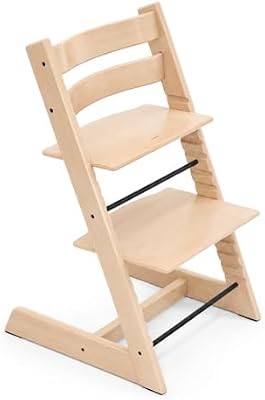
Replace plastic teethers
An object designed to be chewed on for hours, by someone who cannot tell you it tastes wrong. Free version: A clean, chilled cotton washcloth is the classic teether and costs nothing.
Read the full guide →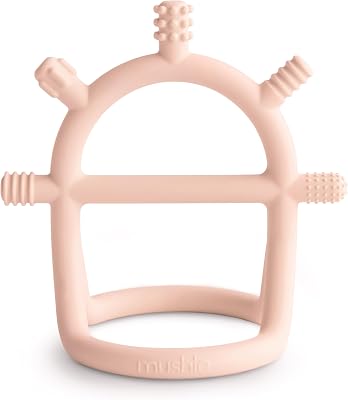

Shift toys to wood and natural fiber
Anything a small child holds ends up in the mouth, and soft plastic toys are a phthalate source. Free version: Stop buying new plastic toys. Attrition handles the rest without a single purchase.
Read the full guide →


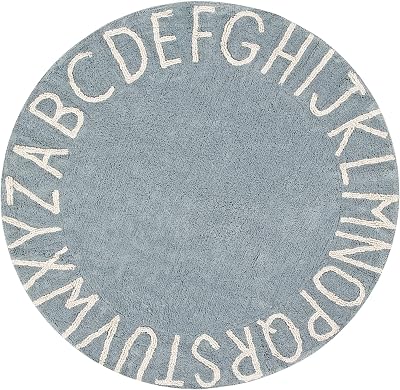
Replace foam play mats
EVA foam mats offgas formamide into the exact 30cm of air where a crawling baby breathes, and 2022 lab testing still found it in 15 of 20 foam mats. Free version: A clean cotton quilt covers the floor until a proper mat arrives.
Read the full guide →


Replace plates, bowls, and utensils
Hot food on plastic plates, every meal, for years. Melamine kids dishes leach more the hotter the food. Free version: Serve on the small ceramic plates you already own. Even if a few get broken, that costs less than a set of kids tableware.
Read the full guide →


Replace plastic and silicone bibs
PVC bibs sit against the neck and chest through every meal, and end up in the mouth constantly. Free version: An old cotton towel tucked into the collar.
Read the full guide →

Replace bath toys and tub gear
Squeeze toys hold warm water and grow mold inside, and most are PVC that a child puts in their mouth. Free version: Throw out the squeeze toys. Cups and a ladle are better bath toys anyway.
Read the full guide →


Bathe in the sink, or pick the cleanest tub
Most infant tubs are PVC or ABS, and warm water is the condition that pulls plasticisers out of PVC fastest, with the baby sitting in it. Free version: The kitchen sink with a folded cotton towel on the bottom. Stainless or porcelain, no plastic at all, and it works until they outgrow it.
Read the full guide →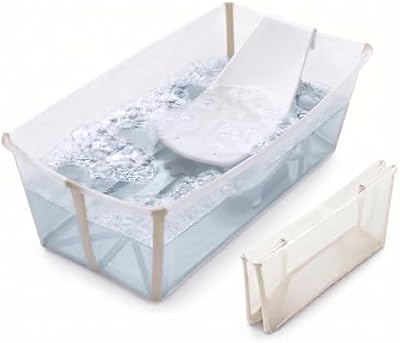
Choose a natural fiber carrier
Hours of direct contact against a newborn's face and hands, usually in synthetic mesh. Free version: A woven cotton wrap is the cheapest carrier and the most natural.
Read the full guide →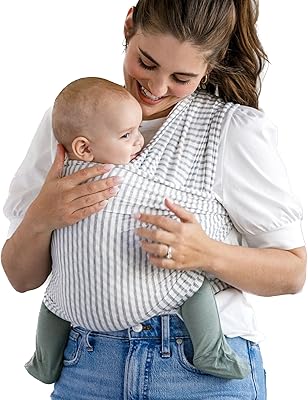


Choose an organic nursing pillow
Held against you and the baby through every feed, several times a day in the newborn months, and most are polyurethane foam or polyester fill in a synthetic cover. A natural fill and an organic cotton cover avoid both. Free version: Stacked pillows you already own work, cost nothing, and many people prefer them.
Read the full guide →
Change the laundry detergent
Everything the baby wears and sleeps on is washed in it, and the residue stays in the fibre against skin. Most detergents carry undisclosed fragrance and optical brighteners that are designed not to rinse out. Free version: Run an extra rinse cycle on baby laundry. It removes most of the residue and costs nothing.
Read the full guide →

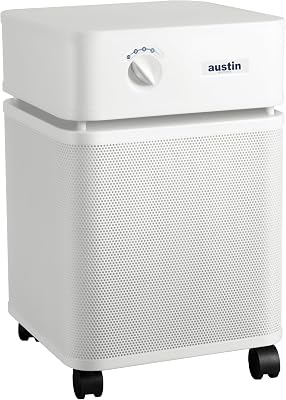
Add an air purifier to the nursery
Indoor air carries the offgassing from everything else in the room, plus the microplastic fibres shed by carpet and bedding. A purifier does not fix the source, and it lowers what is in the air while the source is still there. Free version: Open a window for ten minutes twice a day. Ventilation beats filtration and costs nothing.
Read the full guide →
Switch to a mineral sunscreen for kids
Spread over most of the body, left on for hours and reapplied, on the thinnest skin there is. Chemical filters are absorbed into blood, and zinc and titanium sit on top instead. Free version: Shade, a hat and long sleeves between ten and four. Cover what you can, then use sunscreen on the rest.
Read the full guide →
Pick a kids toothpaste that has been tested
A young child swallows most of what goes on the brush, twice a day for years, and lab testing published in 2025 found detectable lead in about 90 percent of 51 toothpastes. Free version: Brush with water and a soft brush until they can spit reliably. Technique matters more than paste at that age.
Read the full guide →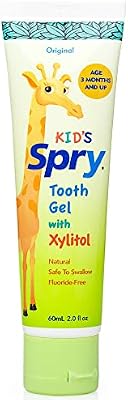

The full guides
Both deep dives behind the 28 swaps above.
The Complete Parent's Guide to Toxic Baby and Toddler Products
Every category in depth: bottles, pump parts, baby food, nursery, clothing, bath, diapers, gear, toys, and home environment. The research, the certifications, and the picks.
Microplastics in Baby Food
Plastic feeding bottles release millions of microplastic particles per feed when warmed. Pouches, baby food jars, and the safer feeding setups, ranked.
Ready to swap your nursery?
Browse vetted baby and toddler products: glass bottles, natural fiber clothing, non-toxic toys, and certified-safe sleep gear. Or get your free 90 day plan, ranked by what matters most.
Shop Baby & Kids Swaps Get your free 90 day plan →Quick answers
Common parenting questions on lower-tox living, with deep-dive guides for each.
Continue your detox
Other rooms and topics to tackle next.
Most of what is on a baby registry has never been tested.
We rated the 100 most popular baby products on Amazon, built a registry of the 123 we would actually buy, and ranked the 23 swaps that cut the most exposure. One payment, $9.99, and a share of it funds the lab testing.